

If you’re planning a renovation, extension, or new build in Napier, there are important changes you need to be aware of. Under the Proposed Napier District Plan (Appeals Version 2026), even relatively small increases in hard surfaces – like a new driveway, patio, or roof area – can trigger new stormwater management requirements. In simple terms, if your project adds more than 15m² of impervious surface, you will likely need to manage stormwater on your own property.
So what does that mean for you?
It means your project will need to include systems to store, slow down, or reuse rainwater, rather than directing it into the Council’s network.
Depending on your site and the scale of your project, this could affect:
- Your design (space needed for tanks or systems)
- Your build costs
- The level of documentation required for building consent
- Whether you need a Land Use Consent.
Why is this happening?
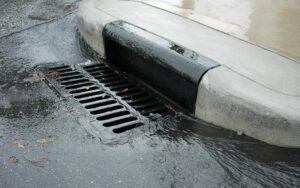
Napier’s stormwater network is under increasing pressure. These new rules are aimed at:
- Reducing localised flooding
- Preventing overload of public infrastructure
- Encouraging smarter water use.
What are the requirements?
Most projects will need to address two key requirements:
Detention (slow it down)
Stormwater is temporarily stored and released slowly to reduce peak flows during heavy rain.
Retention (keep and reuse it)
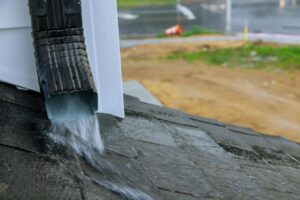
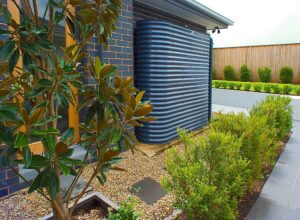
Rainwater (typically from your roof) is captured and reused on-site for irrigation, toilet flushing, or laundry.
As a guide:
- Any new roof area will need to capture the first 10mm of rainfall in a retention tank
- Additional storage may be required to manage runoff from increased hard surface areas
- Supporting design calculations and documentation are often needed for building consent.
Every site is different
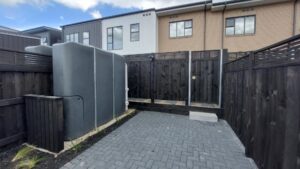
The practical solution for a flat section will be very different from a constrained or sloping site. In some cases, a straightforward tank system will work. In others, a more tailored approach is needed to meet the rules without compromising your design or budget.
How Cheal can help
Stormwater requirements are becoming a more important part of the design and building consent process, and getting it wrong can lead to delays, redesigns, or unexpected costs.
Cheal’s planners, surveyors and engineers work together to:
- Assess how the rules apply to your specific project
- Develop practical, cost-effective stormwater solutions
- Prepare the documentation needed for Council approval, whether to demonstrate compliance or support a land use consent application.
If you’re considering a project, these requirements are best addressed early in the design stage, before plans are finalised and submitted for consent.
Planning a project in Napier?
Frequently Asked Questions
Do I need stormwater management for a small renovation in Napier?
Possibly. If your project adds more than 15m² of hard surface – such as a driveway, patio, or roof area – you will likely need to manage stormwater on-site under the new rules.
What does on-site stormwater management involve?
It typically means installing systems like tanks or detention devices to store, slow, or reuse rainwater, rather than directing it into the Council’s network.
Will this affect my building consent?
Yes. You may need additional design work, calculations, and documentation, and in some cases a Land Use Consent, depending on your project and site conditions.